 Image 1 of 2
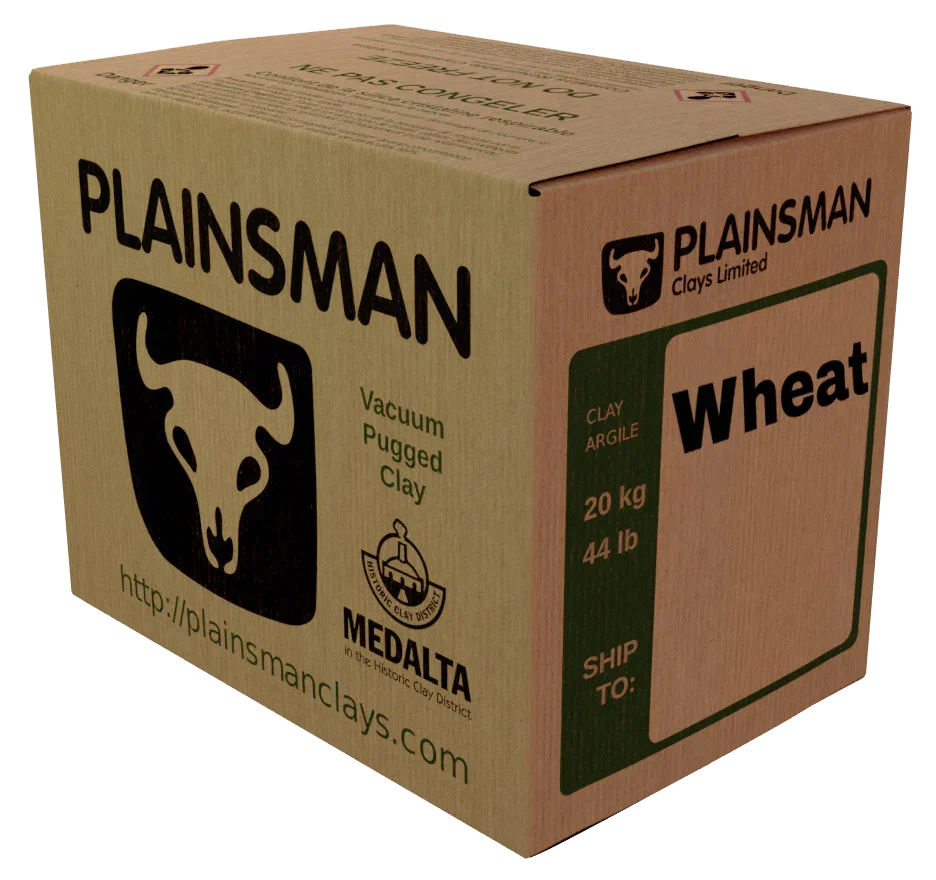 Image 2 of 2
Characteristics of this clay body
This new clay, launched in September 2025 is the latest to utilize more Canadian native clays in our region. Wheat has excellent plasticity, green strength, and robust throwing properties. At cone 6, the maturity and color is similar to our popular medium stoneware M340, but with slightly less speck. The fired color reflects the wheat fields that surround the prairie landscape where our native clay originates. Those that enjoy M340 will find Wheat as enjoyable of a clay or may even prefer it more.
Packaging
Plainsman moist clays are water-based and packaged in a 20 kg (44 lb) box. Each box contains two individually bagged 10 kilogram pugged blocks. Plainsman Clays are ready to use out of the box, no preparation is required.
Forming and Drying
Plainsman clays can be used in a variety of forming techniques. Hand building, slab building, and wheel throwing are just a few. Once shaped, slow and even drying is required. Once your piece is completely dry it's ready to fire in the kiln.
Firing
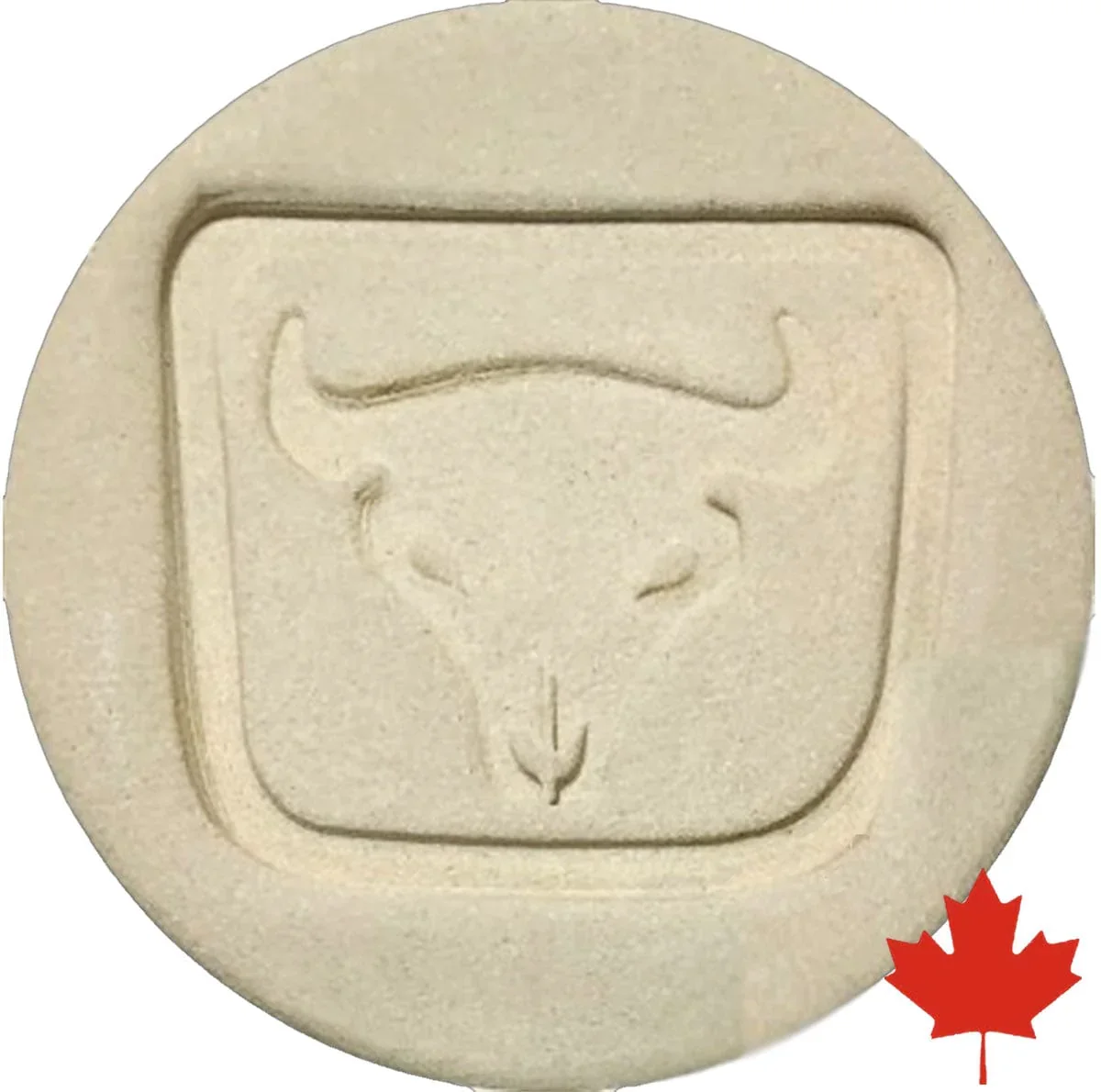
The tile displayed is the final fired result at cone 5. If glazing, bisque fire first and apply a glaze from the same temperature range and fire to the glaze manufacturer's suggested cone.
Characteristics of this clay body
This new clay, launched in September 2025 is the latest to utilize more Canadian native clays in our region. Wheat has excellent plasticity, green strength, and robust throwing properties. At cone 6, the maturity and color is similar to our popular medium stoneware M340, but with slightly less speck. The fired color reflects the wheat fields that surround the prairie landscape where our native clay originates. Those that enjoy M340 will find Wheat as enjoyable of a clay or may even prefer it more.
Packaging
Plainsman moist clays are water-based and packaged in a 20 kg (44 lb) box. Each box contains two individually bagged 10 kilogram pugged blocks. Plainsman Clays are ready to use out of the box, no preparation is required.
Forming and Drying
Plainsman clays can be used in a variety of forming techniques. Hand building, slab building, and wheel throwing are just a few. Once shaped, slow and even drying is required. Once your piece is completely dry it's ready to fire in the kiln.
Firing
The tile displayed is the final fired result at cone 5. If glazing, bisque fire first and apply a glaze from the same temperature range and fire to the glaze manufacturer's suggested cone.