 Image 1 of 2
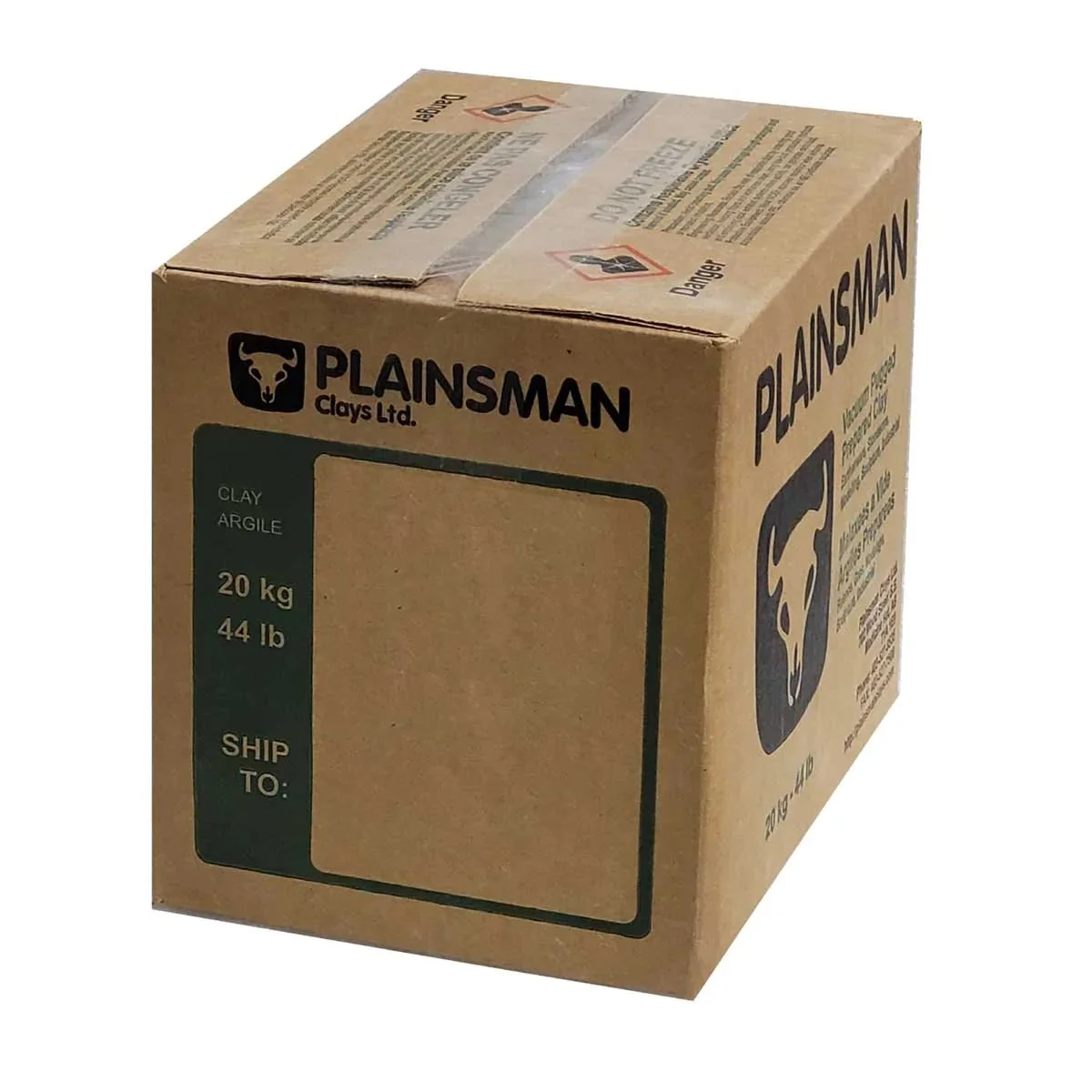 Image 2 of 2
Characteristics of this clay body
P300 is a mix of plastic Georgia kaolin, nepheline syenite, 25% silica, raw bentonite (to augment plasticity) and a small amount of talc (for fired maturity control). P300 is not translucent at cone 6. It is the whitest body we can make without using expensive white plasticizers or overseas kaolins.
Packaging
Plainsman moist clays are water-based and packaged in a 20 kg (44 lb) box. Each box contains two individually bagged 10 kilogram pugged blocks. Plainsman Clays are ready to use out of the box, no preparation is required.
Forming and Drying
Plainsman clays can be used in a variety of forming techniques. Hand building, slab building, and wheel throwing are just a few. Once shaped, slow and even drying is required. Once your piece is completely dry it's ready to fire in the kiln.
Firing
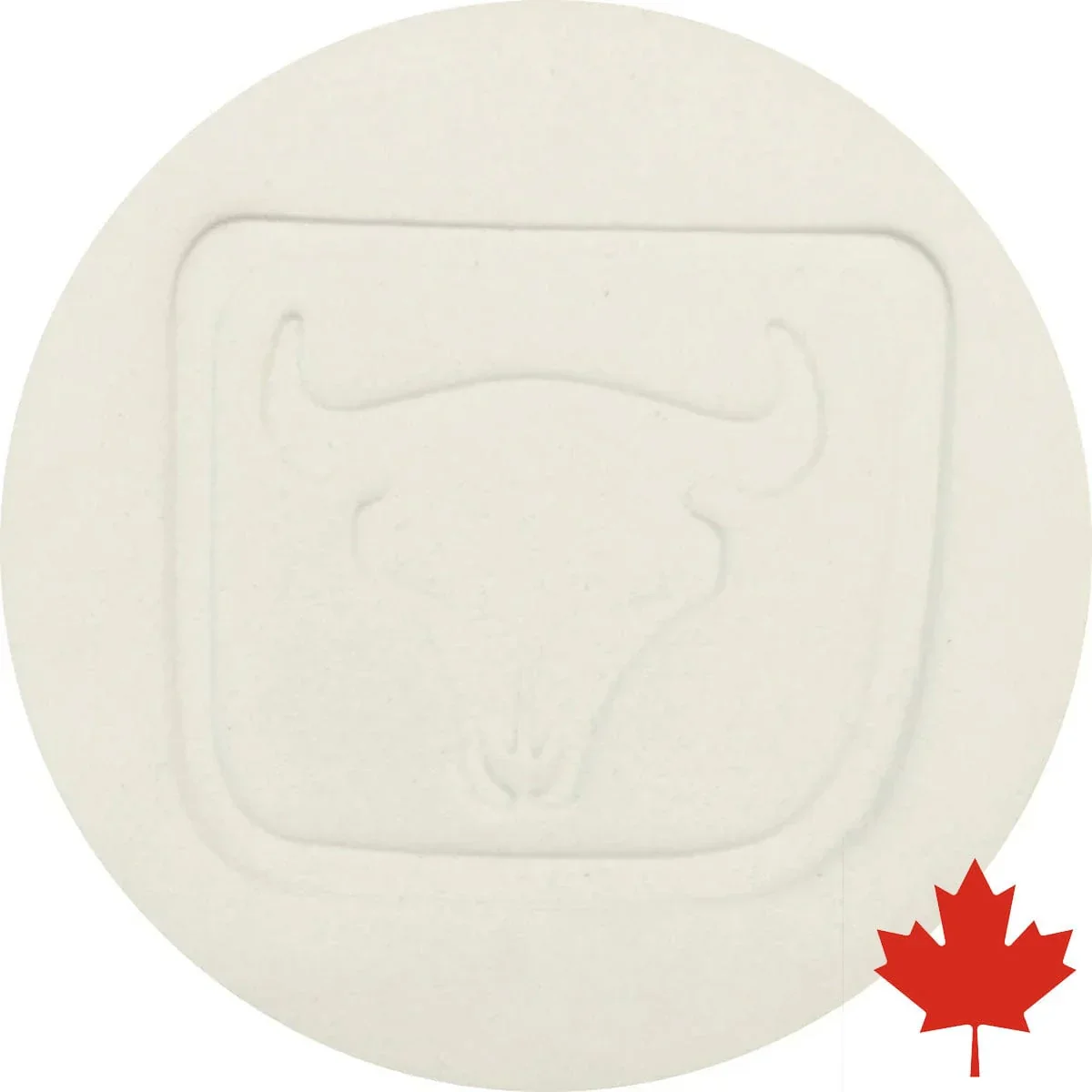
The tile displayed is the final fired result at cone 5. If glazing, bisque fire first and apply a glaze from the same temperature range and fire to the glaze manufacturer's suggested cone.
Characteristics of this clay body
P300 is a mix of plastic Georgia kaolin, nepheline syenite, 25% silica, raw bentonite (to augment plasticity) and a small amount of talc (for fired maturity control). P300 is not translucent at cone 6. It is the whitest body we can make without using expensive white plasticizers or overseas kaolins.
Packaging
Plainsman moist clays are water-based and packaged in a 20 kg (44 lb) box. Each box contains two individually bagged 10 kilogram pugged blocks. Plainsman Clays are ready to use out of the box, no preparation is required.
Forming and Drying
Plainsman clays can be used in a variety of forming techniques. Hand building, slab building, and wheel throwing are just a few. Once shaped, slow and even drying is required. Once your piece is completely dry it's ready to fire in the kiln.
Firing
The tile displayed is the final fired result at cone 5. If glazing, bisque fire first and apply a glaze from the same temperature range and fire to the glaze manufacturer's suggested cone.