 Image 1 of 2
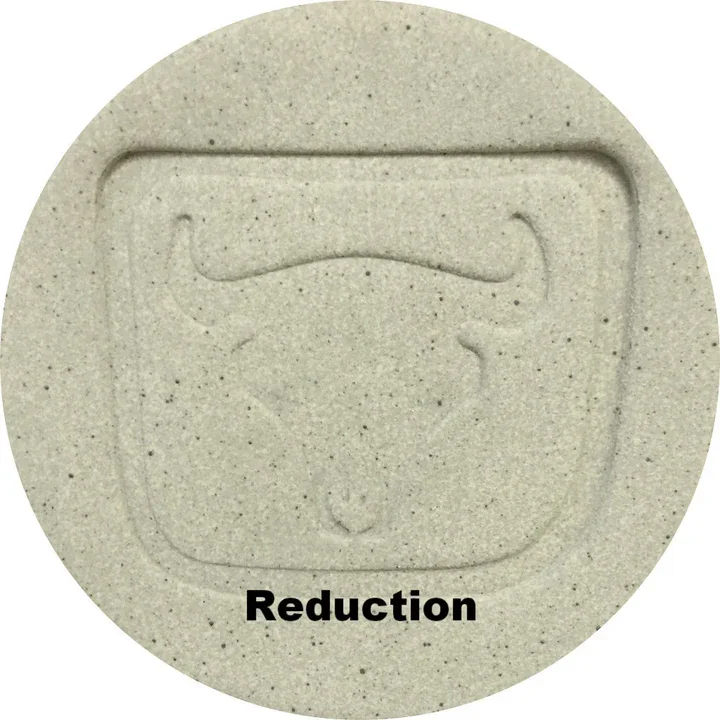 Image 2 of 2
H550 is a general purpose high-fire stoneware. Slightly sandy, semi-vitreous, and grey-buff burning. It has the particle size distribution to dry relatively fast and the green strength to survive handling while it dries.
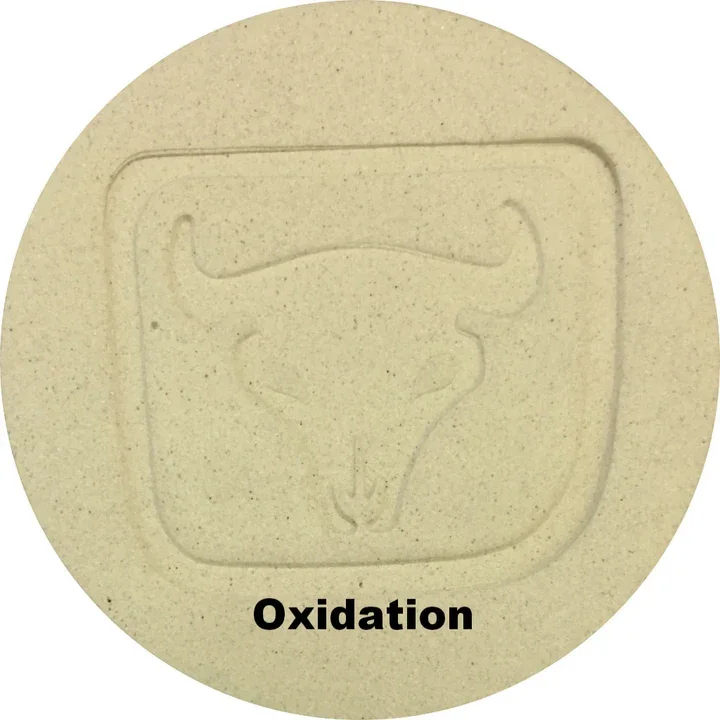
H550 is typically fired in a cone 10 reduction atmosphere. In reduction it fires to a solid grey with light specking. In an oxidized atmosphere it fires to a solid light grey-buff colour.
Characteristics of this clay body
Recommended for functional ware, this body has good strength. Fine sand gives texture to this grey reduction fired body.
Packaging
Plainsman moist clays are water-based and packaged in a 20 kg (44 lb) box. Each box contains two individually bagged 10 kilogram pugged blocks. Plainsman Clays are ready to use out of the box, no preparation is required.
Forming and Drying
Plainsman clays can be used in a variety of forming techniques. Hand building, slab building, and wheel throwing are just a few. Once shaped, slow and even drying is required. Once your piece is completely dry it's ready to fire in the kiln.
Firing
The tile displayed is the final fired result at cone 10. If glazing, bisque fire first and apply a glaze from the same temperature range and fire to the glaze manufacturer's suggested cone.
H550 is a general purpose high-fire stoneware. Slightly sandy, semi-vitreous, and grey-buff burning. It has the particle size distribution to dry relatively fast and the green strength to survive handling while it dries.
H550 is typically fired in a cone 10 reduction atmosphere. In reduction it fires to a solid grey with light specking. In an oxidized atmosphere it fires to a solid light grey-buff colour.
Characteristics of this clay body
Recommended for functional ware, this body has good strength. Fine sand gives texture to this grey reduction fired body.
Packaging
Plainsman moist clays are water-based and packaged in a 20 kg (44 lb) box. Each box contains two individually bagged 10 kilogram pugged blocks. Plainsman Clays are ready to use out of the box, no preparation is required.
Forming and Drying
Plainsman clays can be used in a variety of forming techniques. Hand building, slab building, and wheel throwing are just a few. Once shaped, slow and even drying is required. Once your piece is completely dry it's ready to fire in the kiln.
Firing
The tile displayed is the final fired result at cone 10. If glazing, bisque fire first and apply a glaze from the same temperature range and fire to the glaze manufacturer's suggested cone.